
What Are Peptides and How Do They Work?
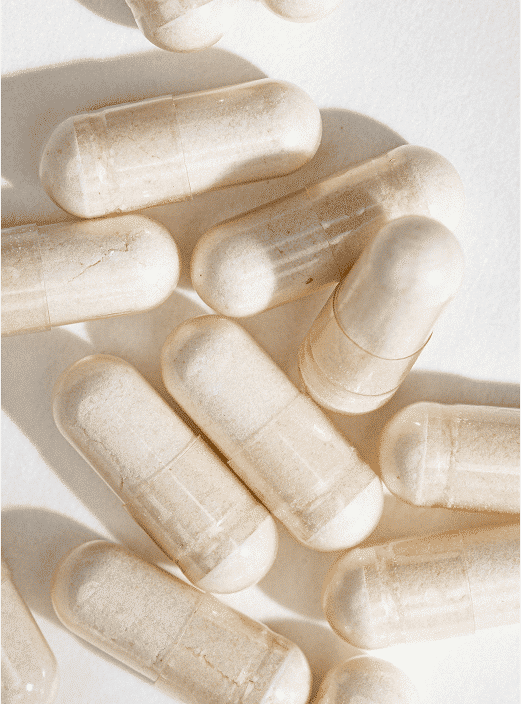
Discover what peptides are, how they work in the body, and why peptide therapy and supplements are gaining attention in modern wellness.
What Are Peptides and How Do They Work? A Science-Backed Guide
Peptides have become one of the most discussed topics in modern wellness, recovery, and longevity research. But what are peptides, exactly — and why are researchers and clinicians paying such close attention to them?
This guide breaks down the science in plain language: what peptides are, how peptides work inside the body, and what the emerging evidence says about peptide therapy and peptide supplements.
---
What Are Peptides?
Peptides are short chains of amino acids — the same building blocks that make up proteins. The difference is size: proteins are long, complex chains, while peptides are smaller, often containing between 2 and 50 amino acids.
Your body produces peptides naturally and uses them constantly. They act as signaling molecules, telling cells what to do — when to repair, when to grow, when to regulate inflammation. Hundreds of peptides have been identified in human biology, each with a specific role in cellular communication and tissue function.
> What Are Peptides?
> Peptides are short chains of amino acids that function as biological signaling molecules. Unlike full proteins, peptides are small enough to interact directly with cell receptors, triggering specific cellular responses such as tissue repair, immune regulation, and metabolic signaling throughout the body.
---
How Peptides Work in the Body
The mechanism behind how peptides work comes down to cellular signaling. Peptides bind to specific receptors on the surface of cells, much like a key fitting into a lock. Once bound, they activate or suppress particular biological pathways.
Different peptides trigger different responses:
- Repair and recovery: Some peptides stimulate the production of growth factors and accelerate tissue regeneration.
- Inflammation regulation: Others modulate the immune response, reducing chronic or acute inflammation.
- Hormonal signaling: Certain peptides influence the release of hormones like growth hormone or insulin.
- Gene expression: Some peptides — known as bioregulators — interact directly with DNA to influence which genes are active or dormant.
The precision of this mechanism is why cellular signaling peptides are of such interest in both clinical research and wellness optimization. Rather than broadly stimulating the body, peptides communicate specific instructions to specific cells.
> How Do Peptides Work?
> Peptides work by binding to cell surface receptors and activating specific biological pathways. This targeted signaling triggers responses like tissue repair, inflammation control, and hormonal regulation. Because each peptide interacts with particular receptors, the effects are precise rather than systemic.
---
What Is Peptide Therapy?
Peptide therapy refers to the clinical or supplemental use of specific peptides — either naturally derived or synthetically produced — to support, restore, or optimize biological function.
Peptide therapy has roots in decades of pharmaceutical research. Many well-known medications are peptide-based, including insulin (a 51-amino-acid peptide) and certain hormones used in fertility and growth treatments. The newer wave of peptide therapy extends this concept into recovery support, anti-aging, immune function, and gut health.
Dr. Stuart Porter, D.O. and other clinicians working in integrative and functional medicine have increasingly incorporated peptide protocols as part of comprehensive wellness strategies — particularly where conventional approaches offer limited options.
Peptide therapy is typically administered in one of three ways:
- Injectable: Subcutaneous injections offer the highest bioavailability and are common in clinical protocols.
- Oral: Short-chain bioregulator peptides can survive partial digestion and absorb through the gut lining.
- Topical: Some peptides are formulated for skin application, targeting localized tissue or cosmetic outcomes.
The choice of delivery method depends on the specific compound, the therapeutic goal, and the clinical setting. For general wellness and longevity support, oral bioregulators represent an accessible and well-researched option.
> What Is Peptide Therapy?
> Peptide therapy is the targeted use of specific peptides to support biological function — from tissue repair and immune modulation to longevity and hormonal balance. It draws on decades of pharmaceutical research and applies it to wellness optimization, using the body's own signaling language to encourage healing.
---
Peptide Supplements: What You Need to Know
The term "peptide supplements" covers a broad range of products. At Haven Wellness, we focus specifically on oral bioregulators — a class of short peptides (typically 2–4 amino acids) developed through more than 40 years of research, originally in the Soviet and Russian medical systems.
Unlike injectable peptides used in clinical settings, oral bioregulator peptides are designed for absorption through the digestive tract. Their small size allows them to pass through the gut lining and enter systemic circulation, where they can interact with target tissues.
Key products in the Haven line include:
- BPC-157: A gastric-origin peptide studied for its role in gut healing, tissue repair, and recovery.
- TB4-Frag: A fragment of Thymosin Beta-4, studied for tissue remodeling and athletic recovery.
- Epitalon: A tetrapeptide associated with telomere support and longevity research.
- KPV: A tripeptide fragment of alpha-MSH, studied for anti-inflammatory and gut-protective effects.
- Thymogen Alpha-1: A dipeptide derived from the thymus gland, studied for immune system support and T-cell modulation.
Each has a distinct mechanism and target tissue — which is why understanding what peptides are and how they work matters before selecting a supplement.
> What Are Peptide Supplements?
> Peptide supplements — particularly oral bioregulators — are short amino acid chains designed to support specific biological functions when taken orally. Their small molecular size enables absorption through the gut lining, allowing them to reach target tissues and interact with cellular receptors to support repair, inflammation balance, and longevity pathways.
---
Peptide Benefits: What Does the Research Show?
The peptide benefits observed in research vary by compound, but several themes appear consistently across published studies and clinical observations:
Recovery and tissue repair: Peptides like BPC-157 and TB4-Frag have been studied extensively for their role in accelerating healing of tendons, ligaments, gut lining, and muscle tissue. Animal model studies have shown accelerated closure of wounds, reduced adhesion formation, and improved functional recovery. Learn more about bioregulators.
Anti-aging and longevity: Epitalon, the most studied tetrapeptide from the Khavinson research group, has been associated with telomerase activation — the enzyme that maintains telomere length, a key marker of cellular aging. Multi-year studies in animal models and limited human cohorts suggest potential impact on biological aging markers.
Gut health: Both BPC-157 and KPV show promise for supporting intestinal barrier integrity and reducing inflammatory signaling in gut tissue. This is particularly relevant for individuals managing conditions associated with gut permeability or chronic intestinal inflammation.
Immune optimization: Thymogen Alpha-1 and similar thymic peptides support T-cell maturation and immune system calibration — especially relevant as thymic output naturally declines with age.
Cognitive and neurological support: Some peptides, including BPC-157, show preliminary evidence of neuroprotective effects, particularly in the context of the gut-brain axis, where gut peptides may influence brain function through vagal and hormonal signaling pathways.
It's important to note that most peptide research is preclinical (animal studies and cell models) or early-phase clinical. Peptides are not FDA-approved treatments for the conditions described above. Haven products are dietary supplements intended to support general wellness.
> What Are the Benefits of Peptide Supplements?
> Research on peptide supplements points to potential benefits in tissue repair, inflammation regulation, gut health, and cellular aging. While most studies are preclinical, decades of bioregulator research — particularly from the Khavinson Institute in Russia — provide a meaningful scientific foundation for their use in wellness protocols.
---
Who Is a Good Candidate for Peptide Therapy or Peptide Supplements?
Peptide therapy and peptide supplements are most commonly explored by:
- Adults dealing with chronic inflammation or slow recovery from injury
- Athletes and fitness enthusiasts seeking accelerated tissue repair
- Individuals focused on longevity and healthy aging
- People with gut health challenges exploring integrative support options
- Functional medicine patients looking for targeted, science-backed interventions
If you're new to peptides, our bioregulators guide is a useful starting point for understanding how to approach supplementation thoughtfully.
---
FAQ: What Are Peptides and How Do They Work?
Q: Are peptides the same as proteins?
A: No. Peptides are short chains of amino acids (typically fewer than 50), while proteins are much longer and more complex. Peptides are often fragments derived from proteins or synthesized to mimic natural signaling molecules.
Q: Are peptide supplements safe?
A: Peptides are generally well-tolerated, particularly oral bioregulators with long research histories. As with any supplement, quality, dosage, and individual health context matter. Consult a healthcare provider before starting any peptide protocol.
Q: How do peptides differ from steroids or hormones?
A: Peptides are signaling molecules that work through receptor binding — they instruct cells to perform specific functions. Hormones and steroids can have broader, more systemic effects and typically involve different regulatory mechanisms. Most peptides do not directly replace or substitute for hormones.
Q: Can you take peptides orally?
A: Some peptides — particularly short bioregulators — are formulated for oral use. Their small size allows for partial absorption through the gut lining. Injectable peptides have higher bioavailability, but oral bioregulators offer a practical, non-invasive option with a strong research background.
Q: What is the difference between peptide therapy and peptide supplements?
A: Peptide therapy typically refers to clinically administered protocols, often using injectable compounds under medical supervision. Peptide supplements (like Haven's oral bioregulators) are available without a prescription and are taken as part of a daily wellness routine.
Q: How long does it take for peptide supplements to work?
A: Results vary by compound and individual. Some users notice effects within a few weeks; others report more gradual improvements over 1–3 months of consistent use. Bioregulators are generally considered long-term wellness tools rather than acute interventions.
---
Conclusion
Understanding what peptides are and how peptides work opens the door to a more precise, biology-informed approach to wellness. These molecular messengers are fundamental to how the body repairs itself, regulates inflammation, and ages — making them compelling targets for anyone invested in their long-term health.
Whether you're exploring peptide therapy with a clinician or considering oral peptide supplements as part of your daily routine, the key is working with compounds backed by meaningful research and transparent sourcing. At Haven Wellness, every product in our line reflects that standard.
Ready to explore? Start with our bioregulators overview or browse our full product line to find what aligns with your goals.